
How Strategic Media Coverage Can Drive Foot Traffic to Entertainment Destinations

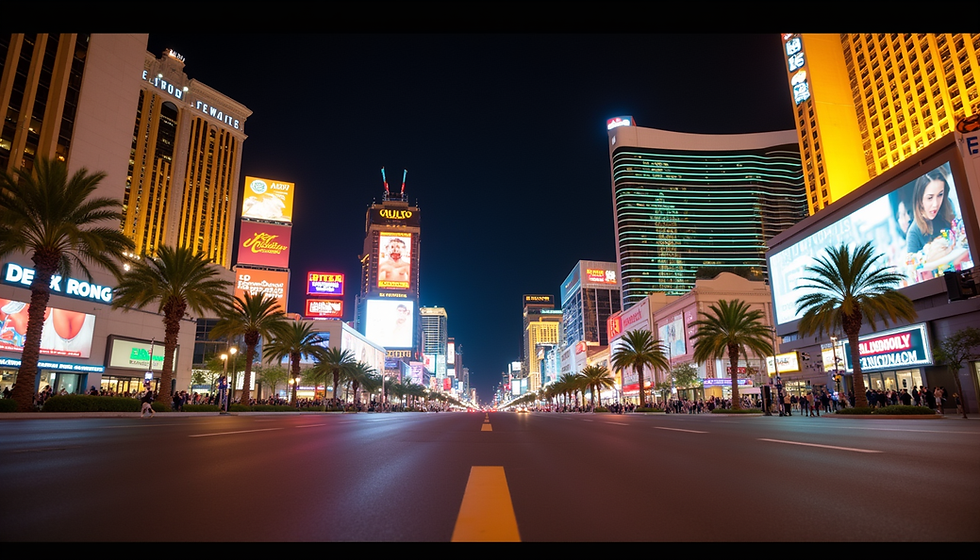
A great entertainment destination can have incredible restaurants, live shows, gaming, shopping, and experiences people will remember. But there’s one problem: none of that matters if people don’t know it’s there.
Whether you’re promoting a casino resort, a dining destination, a live entertainment venue, or a collection of attractions, getting people through the door takes more than a few social media posts. You need visibility, a reason to visit, and a story that makes people want to experience it for themselves.
That’s where strategic media coverage comes in.
When the right outlets tell your story, your destination gets in front of people who may not have discovered it otherwise. And when that coverage highlights something genuinely worth experiencing, it can turn awareness into real-world visits.
Visibility Is the First Step Toward Getting People Through the Door
People have plenty of choices when deciding where to spend their time and money. They can try a new restaurant, catch a show, plan a weekend getaway, or visit a destination they’ve been hearing about. The challenge for entertainment businesses is making sure their name comes to mind when those decisions happen.
Media coverage helps put your destination into the conversation.
A feature in a local publication, a segment on morning television, or a mention in a travel roundup can introduce your business to an audience that extends beyond your existing followers. Instead of relying solely on people who already know your brand, you have an opportunity to reach new audiences through outlets they already read, watch, and trust.
The key is being strategic about where and how your destination appears. A local lifestyle segment might be ideal for promoting a new attraction, while a travel publication could help introduce your resort to visitors planning an upcoming trip.
The goal isn’t simply to get your name in the news. It’s to reach the people most likely to visit.
Give People a Reason to Visit Now
Getting attention is one thing. Giving someone a reason to act on it is another.
The strongest media opportunities often revolve around something timely, interesting, or new. Think seasonal dining menus, limited-time experiences, upcoming concerts, holiday celebrations, new attractions, special events, or a unique feature that sets your destination apart.
These stories give journalists a clear angle and audiences a reason to pay attention.
For example, a restaurant inside a resort could pitch a story about a new seasonal menu rather than simply asking for general coverage of the restaurant. An entertainment venue could highlight an upcoming performance, while a casino resort might share details about a holiday experience that gives visitors another reason to plan a trip.
Each story creates a potential moment for discovery.
Timing matters, too. Coverage that runs before an event or during a key planning period gives audiences time to make arrangements. If your goal is to drive attendance, media outreach should be coordinated with ticket sales, reservations, promotional calendars, and the dates you want people to visit.
Earned Media Builds Credibility That Advertising Alone May Not Deliver
Advertising has an important role in destination marketing, but earned media brings something different to the table: third-party credibility.
When a journalist chooses to cover your destination, the story introduces your business through an editorial lens. Readers and viewers can discover what makes the experience noteworthy without encountering a traditional advertisement.
That distinction can matter when someone is deciding whether a destination is worth their time, especially if they’re unfamiliar with the brand.
A recommendation in a respected local publication, a television segment showcasing an experience, or inclusion in a travel guide can help establish your destination as a place worth considering. It gives potential visitors another reason to put your business on their list.
Earned media is not a guaranteed endorsement, and coverage alone won’t make every reader visit. But consistent, relevant placements can strengthen recognition and credibility over time, helping your destination stay top of mind when people are ready to make plans.
Show the Experience, Not Just the Business
Entertainment destinations sell experiences. Your media strategy should reflect that.
A story that simply announces a venue’s name and location may communicate the basics, but it doesn’t necessarily help audiences picture themselves there. More compelling coverage shows what makes the experience different.
Can visitors enjoy a memorable meal before a show? Is there a signature cocktail they can only find at your property? Does the venue host an annual event that has become a local tradition? Is there a distinctive atmosphere, a unique attraction, or a behind-the-scenes story that audiences would find interesting?
These details give journalists something specific to work with and potential visitors something to remember.
Visual opportunities can make the story even stronger. Television segments, photo essays, and digital features can show off a destination’s atmosphere, food, entertainment, and standout experiences. When audiences can see what makes a place special, it becomes easier to imagine visiting themselves.
This is especially valuable for destinations with multiple offerings. Instead of promoting every restaurant, attraction, and event at once, build individual stories around experiences that appeal to different audiences. Over time, those stories can help people discover more reasons to visit.
Local Media Can Help Turn Residents Into Repeat Visitors
Tourists are an important audience for many entertainment destinations, but local residents can be just as valuable.
People who live nearby may already recognize your name, yet that doesn’t mean they know everything your destination offers. They might associate a property with gaming but have never tried its restaurants. They may know about a concert venue but not its seasonal events or special experiences.
A feature on a new dining concept, an interview about a community event, or a segment highlighting an upcoming celebration can introduce familiar audiences to something new. This creates opportunities to attract first-time visitors and give previous guests a reason to return.
Local outlets can be particularly useful when the story connects to the community, a seasonal occasion, or an experience residents can enjoy without planning an entire vacation.
The broader strategy is to keep finding meaningful reasons to talk about your destination, rather than relying on one major announcement to carry your visibility for the year.
Connect Media Coverage to the Visitor Journey
Media coverage works best when it supports the steps people take between discovering a destination and deciding to visit.
Someone might see your venue mentioned in a local news segment, search for it online later, explore its website, and eventually book a table or purchase tickets. Another person might discover a travel feature while planning a weekend trip and save your destination for a future visit.
That journey doesn’t always happen immediately, which is why destinations should make it easy for interested audiences to take the next step.
Keep your website current, make event details easy to find, and ensure reservation or ticket links work properly. If coverage promotes a limited-time experience, the relevant dates and booking information should be readily available.
You can also coordinate PR with social media, email marketing, and paid campaigns. When a media placement goes live, sharing it through your own channels can extend its reach and give audiences another opportunity to engage with the story.
The important thing is to connect visibility with action. A media placement is valuable, but it becomes more useful when interested readers and viewers know exactly what to do next.
Measure More Than the Number of Media Placements
A long list of media hits might look impressive in a report, but the number of placements alone doesn’t tell you whether your strategy is helping the business.
Entertainment destinations should evaluate coverage based on its relevance, audience, messaging, and potential impact.
Look at whether the outlets reach your target visitors, whether the coverage communicates the experience you want to promote, and whether it includes useful details that encourage people to learn more. Website traffic, referral sources, reservation activity, ticket sales, event attendance, and redemption of trackable offers can provide additional clues about how audiences respond.
For major campaigns, compare activity before and after coverage runs, while accounting for other factors that could influence results, such as seasonality, advertising, pricing, and special events. Unique URLs, campaign-specific landing pages, and trackable offers can also help connect certain media efforts to visitor activity.
Not every visit will be directly attributable to a single article or segment. Someone may see a story, remember your destination, and visit weeks later without clicking a link. That’s why it helps to look at both immediate results and longer-term changes in awareness, interest, and demand.
The goal is to understand which stories and media opportunities contribute to your larger business objectives, then use those insights to shape future outreach.
The Bottom Line
Entertainment destinations need more than great experiences to attract consistent traffic. They need to make sure people know what’s available, understand what makes the destination worth visiting, and have a reason to take the next step.
Strategic media coverage can help make that happen by introducing your business to new audiences, building credibility, highlighting timely experiences, and keeping your destination in the conversation. When PR is aligned with your promotional calendar and visitor goals, each media opportunity becomes part of a larger strategy rather than an isolated win.
At BrandBomb PR, we help businesses turn their experiences, announcements, and standout offerings into stories that capture attention and connect with the right audiences. For entertainment destinations, that means finding the angles that give people a reason to discover what you offer and consider a visit.
Ready to bring more attention to your destination? Let’s talk about how a strategic PR plan can help turn media visibility into meaningful opportunities for your business.


Comments